Skilled Tile Installation Services: Transform Your Space Via Precision and Style
Expert tile installation services offer a reliable way to enhance any space. These professionals bring a wealth of knowledge and specialized tools to guarantee a precise and stylish outcome. Through their proficiency, they assist in preventing the common mistakes that frequently come with do-it-yourself attempts. Nevertheless, the procedure requires more than simply selecting tiles and spreading glue. Comprehending the subtleties of groundwork and methodology can create a substantial impact on the end outcome.
Why Think About Professional Tile Installation?
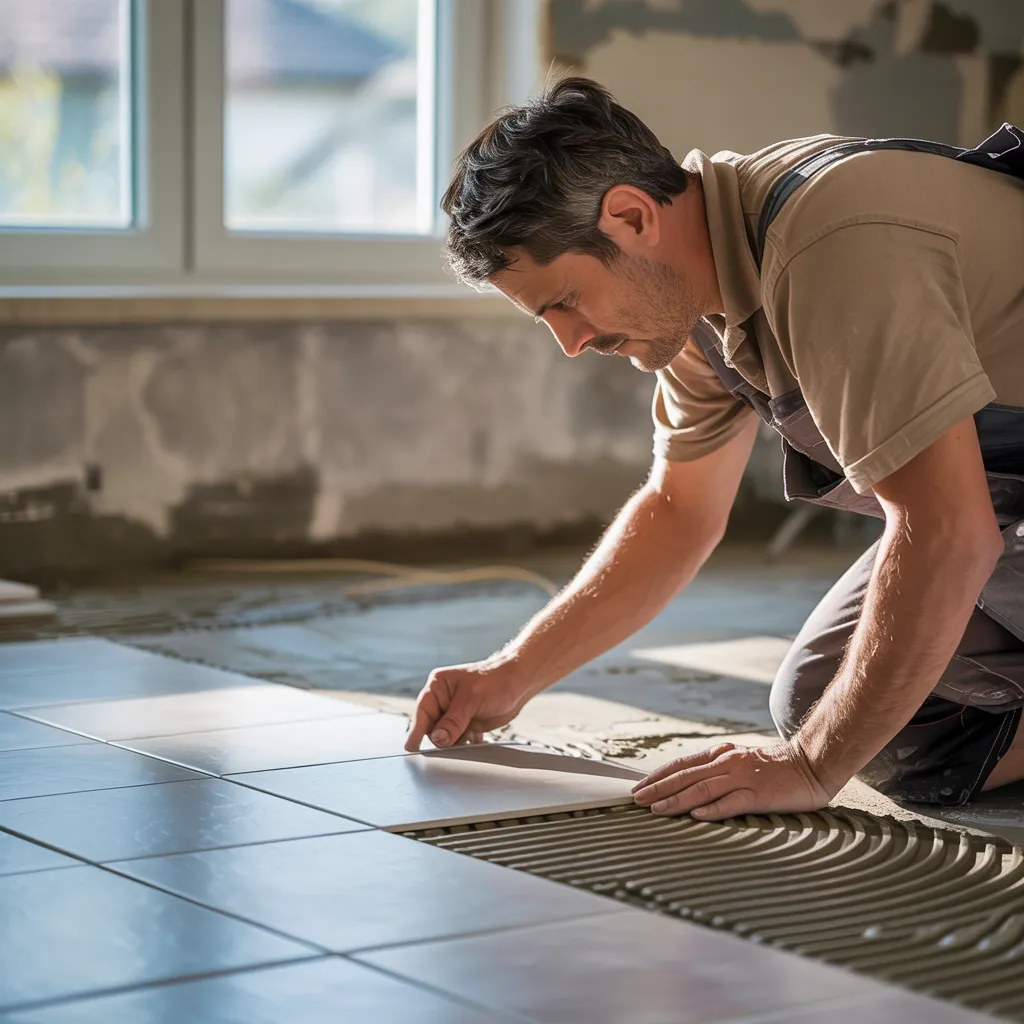
As homeowners evaluate a tile installation project, they often overlook the advantages of hiring professionals. Many homeowners consider taking a DIY approach, motivated by the goal for cost savings or a personal touch. Nonetheless, this mindset can bring about unexpected challenges. Professionals possess technical skills that provides precise measurements, proper material selection, and effective installation techniques, which are vital for achieving a flawless finish. Additionally, they are equipped with the proper equipment, reducing the risk of damage to both the tiles and the surrounding areas. Additionally, professional installers can navigate complex patterns and layouts with ease, avoiding frequent errors that inexperienced individuals might encounter. By entrusting the project to experts, homeowners can save time and reduce stress, leading to a more polished and durable outcome. Ultimately, the decision to hire professionals can greatly enhance the overall quality and longevity of the tile installation.
The Value of Professional Tile Installation
Professional tile laying delivers multiple advantages that can greatly enhance the overall project outcome. One notable advantage is the expertise that professional installers bring to the table. Their experience assures that tiles are laid with precision, minimizing the risk of mistakes that can lead to costly repairs. Furthermore, professionals use specialized tools and techniques, resulting in a higher-quality finish that DIY efforts often cannot achieve.
An additional benefit is the time efficiency of hiring professionals. They can complete installations much faster than the average homeowner, allowing for quicker project turnaround. Additionally, professional installation usually comes with warranties, offering peace of mind about the durability and longevity of the work. This assurance shields the homeowner's investment against potential issues arising from improper installation. In summary, choosing professional tile installation not only improves aesthetic appeal but also secures structural integrity, making it a prudent choice for any renovation project.
Preparing Your Space for Tile Fitting
Prior to tile installation commences, it is vital to ready the area by relocating any furniture and obstacles. Additionally, examining the condition of the subfloor ensures it is suitable for tile application. Last but not least, gathering all needed tools in advance will facilitate a more efficient installation process.
Empty The Area
Area preparation is an essential stage in setting up an area for tile installation. This process entails removing all furniture, fixtures, and any obstacles that may interfere with the installation. A clear environment allows installers to work efficiently and accurately, ensuring that tiles are laid correctly and without interruption. Furthermore, it is vital to protect any adjacent surfaces by covering them with drop cloths or protective sheeting. This precaution protects against damage from debris or dust generated during the installation process. Correctly preparing the area not only supports a smoother installation but also enhances the overall aesthetic outcome by providing a clean slate for the new tiles. A properly prepared space contributes considerably to the success of the tile installation project.
Evaluate Base Floor Quality
Examining the subfloor condition is a crucial step in the tile installation process. A solid and level subfloor is necessary for ensuring the longevity and stability of the tile. Any evidence of damage, such as cracks, water damage, or unevenness, must be addressed prior to installation. This assessment involves verifying for structural integrity and moisture levels. If the subfloor is composed of wood, it is imperative to examine for rot or warping. For concrete subfloors, any cracks should be patched, and the surface should be leveled. Correctly preparing the subfloor not only improves the visual appearance of the tiling but also prevents future problems such as cracking or loosening tiles, ensuring a successful installation.
Gather Essential Tools
A fully stocked workspace is crucial for a quality tile installation. Collecting the essential tools delivers precision and efficiency throughout the project. Essential tools include a tile cutter or wet saw for precise cuts, a notched trowel for laying detailed article adhesive, and a level to check evenness. Moreover, a measuring tape, chalk line, and spacers are vital for ensuring consistent tile placement. Safety gear, such as gloves and goggles, protects against potential hazards. A rubber mallet can be used to gently tap tiles into place, while a grout float is necessary for working in grout once tiles are set. By gathering these tools beforehand, one can simplify the installation process and obtain a professional finish in their tiled space.
Picking the Correct Tile for Your Project
Choosing the right tile for a project requires thorough consideration of various factors. Tile material options, size and layout, along with color and pattern selections, all play an essential role in achieving the desired aesthetic and functionality. Understanding these elements can substantially influence the overall success of the installation.
Tile Material Varieties
When assessing the ideal tile material for a project, various factors come into play that can substantially impact both aesthetics and functionality. Standard options include ceramic, porcelain, natural stone, and glass tiles. Ceramic tiles are multifunctional and budget-friendly, making them ideal for different applications. Porcelain tiles, renowned for their durability and water resistance, are perfect for high-traffic areas. Natural stone tiles, such as granite or marble, provide a luxurious appearance but may demand more maintenance. Glass tiles provide a modern look and can increase light in a space, but they may be less durable. Each material offers its distinct benefits and considerations, making it important for homeowners to analyze their specific needs before making a decision.
Dimensions and Design Factors
Choosing the right size and layout for tile can substantially influence both the visual appeal and functionality of a space. Larger tiles can create an illusion of spaciousness, making them ideal for smaller areas, while smaller tiles may work for intricate designs and complex patterns. The layout also plays a critical role; a straight lay can provide a classic look, while diagonal or herringbone patterns can add a contemporary touch. Moreover, considering the room's purpose is important; for instance, a bathroom might profit from smaller tiles for better slip resistance. In the end, thoughtful selection of tile size and layout can improve the overall appearance and practicality of any project, ensuring that the installation fulfills both the designer's vision and the user's needs.
Pattern and Color Selection
Color and pattern choices in tile can remarkably enhance the overall design of a space, enhancing the chosen size and layout. Selecting the right tile involves considering the ambiance desired in the area. Pale shades can generate an illusion of spaciousness, while darker hues can add a sense of warmth and closeness. Patterns, whether subtle or bold, can shape character and style, ranging from classic mosaics to contemporary geometric designs. It is essential to take into account the environmental styling and lighting, as these factors can influence how colors appear in different settings. Ultimately, a properly chosen tile color and pattern can serve as a focal point, combining various elements of a space and improving its aesthetic appeal.
Fundamental Tile Installation Practices You Should Know
Mastering important tile installation techniques is vital for obtaining a professional finish and ensuring durability. A stable foundation begins with appropriate surface preparation, which includes cleansing and leveling the substrate. This confirms that tiles adhere properly and minimizes the risk of cracking.
Next, measuring and marking layout lines is essential for a balanced installation. Employing spacers between tiles creates uniform grout lines and elevates overall aesthetics.
Moreover, utilizing the appropriate adhesive, be it thin-set mortar or mastic, is critical for solid bonding. Spreading the adhesive consistently with a notched trowel provides excellent coverage.
When cutting tiles, exact instruments including a wet saw or tile cutter must be utilized to attain clean edges. In conclusion, grouting demands careful attention; applying the grout uniformly and promptly wiping away excess will produce a polished final look. These techniques constitute the foundation of successful tile installation.
Avoid Making These Common Tile Installation Errors
Even though tile installation may appear straightforward, many individuals fall prey to common mistakes that compromise the structural integrity and appearance of their work. One typical error is inadequate surface preparation; failing to thoroughly clean or level the substrate can cause uneven tiles and poor adhesion. Additionally, miscalculating the volume of adhesive or grout needed often causes waste or insufficient coverage, which can compromise durability.
Another common mistake is neglecting to account for expansion joints, which are essential for allowing for movement and preventing cracks. Furthermore, some installers ignore the significance of proper tile alignment, leading to crooked lines that compromise the overall appearance. Finally, not allowing proper drying time can weaken the bond strength of the tiles. By recognizing these pitfalls, individuals can greatly enhance their tile installation results, ensuring a more professional finish and a longer-lived outcome.
How to Maintain Your Installed Tiles
Keeping installed tiles requires regular attention to preserve their aesthetic appeal and durability. Regular cleaning is vital; using a soft broom or vacuum avoids dirt buildup and scratches. For more thorough cleaning, a mixture of warm water and a pH-neutral cleaner is recommended, staying away from harsh chemicals that can damage the surface.
Sealing your grout lines is vital, as they are porous and susceptible to staining. A top-grade grout sealing product should be put on every 6 months to 12 months, based on the usage and tile variety.
Furthermore, handling spills promptly aids in prevent staining. For ceramic and porcelain tiles, a gentle scrub with a soft cloth can efficiently clear away stains.
Lastly, checking tiles routinely for chips or cracks guarantees timely repairs, protecting the overall integrity of the installation. By implementing these maintenance practices, one can maintain tiles looking flawless and improve their longevity.
Common Questions
How Long Does Professional Tile Installation Generally Take?
Expert tile installation typically takes between one and three days, based on the project size, complexity, and preparation needed. Variables including tile type and room conditions can also affect the overall installation timeline significantly.
Which Tile Types Are Most Common in Residential Projects?
Residential projects commonly feature ceramic, porcelain, and natural stone tiles as popular choices. These materials deliver durability, aesthetic value, and versatility, making them appropriate for diverse applications throughout homes, including kitchens, bathrooms, and living areas.
Do Warranties Cover Professional Tile Installation Services?
Several professional tile installation services feature warranties that typically encompass craftsmanship and materials. These warranties range in timeframe and particulars, offering customers obtain protection against defects or installation issues for a particular period after project completion.
How Do I Select a Quality Tile Installation Contractor?
To choose a reliable tile installation contractor, it's important to obtain recommendations, check online reviews, confirm credentials, obtain references, and obtain detailed estimates. Dependability and clear communication are also vital factors in making an informed decision.
Is It Possible to Install Tiles Over Current Flooring?
Indeed, tiles may be installed over current flooring, given that the surface is level, clean, and stable. Nonetheless, it's crucial to account for the height difference and confirm the underlying floor can support the tile installation.